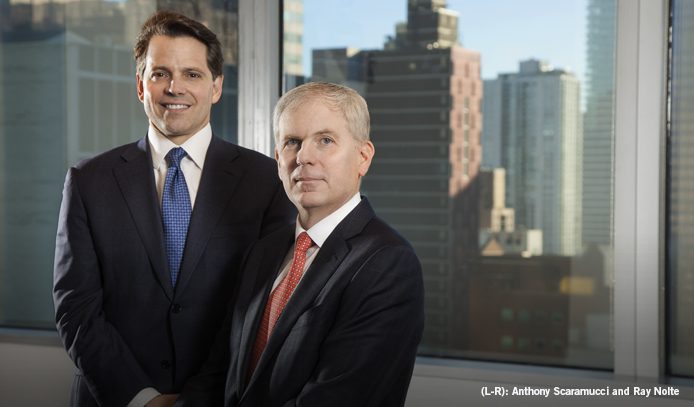
(HedgeCo.Net) In an innovative move that intersects hedge funds and blockchain technology, SkyBridge Capital announced it will tokenise approximately $300 million of its flagship hedge-fund vehicles on the Avalanche blockchain. The firm is partnering with token-services provider Tokeny and the financial infrastructure group Apex Group to execute the project. Tokeny+1
Details of the initiative
- The two funds to be tokenised via the ERC-3643 standard are the Digital Macro Master Fund Ltd and Legion Strategies Ltd, both managed by SkyBridge. The tokenisation infrastructure is provided by Apex’s “Digital 3.0” platform. Avax.network — Homepage
- The $300 million represents roughly 10 % of SkyBridge’s assets under management, signalling a meaningful commitment to blockchain integration. AInvest
- SkyBridge’s founder, Anthony Scaramucci, has positioned the initiative as “modernising alternative investment” — improving liquidity, access and transparency for investors. Tokeny
Why this is significant
- Tokenisation of hedge-fund shares: Historically, hedge funds are opaque and illiquid. This move opens pathways for fractionalised ownership, potentially broader access for institutional and accredited investors, and improved secondary liquidity.
- Interop between TradFi and DeFi: By utilising blockchain rails inside a hedge-fund setting, SkyBridge is bridging two previously separate worlds — the ultra-high-net-worth/allocations space and the disruptive token infrastructure.
- Regulatory and operational implications: Tokenised hedge-fund shares necessitate robust compliance (KYC/AML), custody solutions, on-chain and off-chain record linkage, and investor rights embedded in smart contracts. The infrastructure partner Apex supports all-in lifecycle operations.
- Signal to the industry: Other alternative-asset managers are likely to follow if this model proves successful, suggesting that tokenisation may become mainstream in alternatives.
Potential benefits & risks
Benefits
- Improved liquidity: Tokens may trade faster, with lower redemption friction.
- Enhanced transparency: On-chain record-keeping could reduce settlement latency and administrative overhead.
- Broader investor base: Fractionalisation may enable new types of investors, albeit still accredited, to gain exposure.
Risks
- Regulation: The tokenised shares are still subject to securities regulation. Mistakes in structuring may lead to enforcement risk.
- Technology & custody: Smart-contract or blockchain infrastructural issues (bugs, hacks, interoperability) could impair investor experience or raise liability.
- Adoption inertia: Investors may hesitate to adopt new token-based vehicles, favouring conventional structures unless the benefits are clearly proven.
Summary
SkyBridge’s token-isation of $300 million in hedge-fund assets is a bold step in packaging alternatives for the blockchain era. While still niche today, it could mark the vanguard of how hedge funds evolve operationally and structurally in the years ahead. If successful, the model could unlock new investor demographics, enhance liquidity and pave the way for more ambitious token-based fund structures.