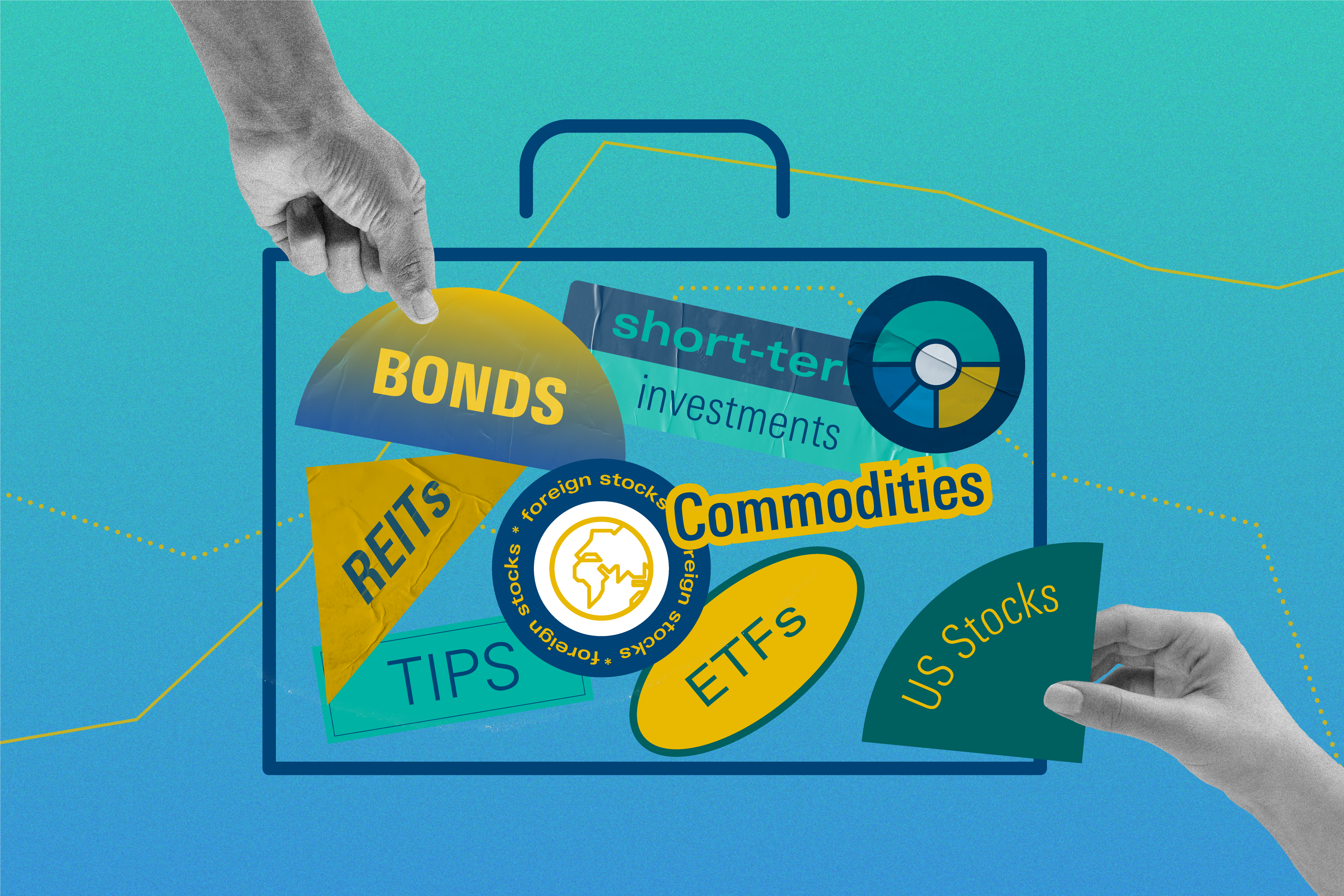
(HedgeCo.Net) As investment markets become more dynamic and uncertain, the classic 60/40 (stocks/bonds) portfolio is being questioned—and alternatives are stepping into the diversification breach. A recent commentary from UBS states that “building portfolios for opportunity and resilience can be enhanced by adding alternative investment levers.” United States of America
Why this shift?
- Traditional assets challenged: With interest rates higher than in recent years, and equity valuations elevated, returns from stocks and bonds may be less robust than historical norms. Diversification through non-correlated assets is increasingly sought after. CME Group+1
- Alternatives offer new return streams: Whether via private credit, infrastructure, real estate or hedge-style strategies, alternatives provide exposures that don’t necessarily move in tandem with public markets. Landsberg Bennett
- Wealth manager sentiment: Surveys show 84% of wealth managers see alternatives as a way to diversify returns or increase return potential. bny.com
How it’s playing out in portfolios
- Some portfolios are allocating modestly to “liquid alternatives” (hedge-fund-style strategies) to provide more daily liquidity, while others are using illiquid alternatives (private markets, infrastructure) as longer-term ballast.
- Model portfolios and adviser tools are increasingly embedding alternatives as standard levers alongside stocks & bonds. A survey found that 77% of advisors are using or considering model portfolios for alternatives. Mercer
- As the borders between traditional and alternative asset management blur (see Article 3), portfolio construction is becoming more flexible, strategic and multi-dimensional.
Important caveats
- Illiquidity & fees: Some alternative investments lock up capital for years; investors must align horizon and risk tolerance.
- Transparency & due diligence: Alternatives may have fewer regulatory disclosures and require deeper manager vetting.
- Correlation risk: While alternatives may offer non-correlated returns at times, they are not immune to systemic shocks. Proper diversification still matters.
Bottom line
For investors seeking to build resilient portfolios in a shifting landscape, alternatives are becoming more than a niche—they’re a structural part of portfolio design. The key will be in the how: thoughtful allocation, clear understanding of the risks, and selection of managers and vehicles that align with one’s goals.