
(HedgeCo.Net) In one of the hedge fund world’s most significant internal moves this decade, Bridgewater Associates announced a major employee ownership expansion, rewarding staff after a particularly strong year for the firm’s flagship strategies. Reuters
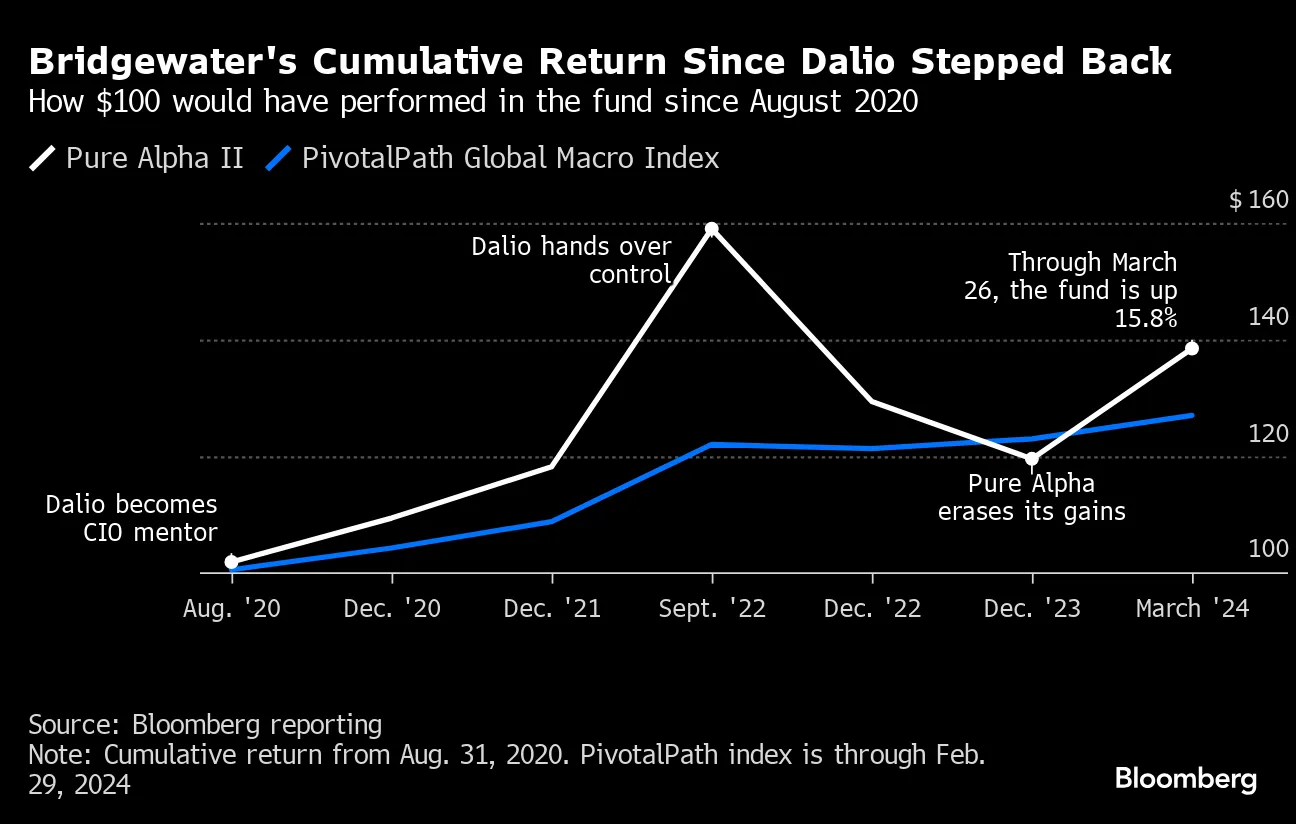
Bridgewater’s Pure Alpha fund posted an eye-popping 26% gain for the first nine months of 2025, outpacing many multi-strategy peers and contributing to the firm’s largest profitability bounce in years. In response, management decided to allow more than 60% of employees to own equity in the firm beginning in 2026. Reuters
A Generational Shift in Hedge Fund Compensation
This decision marks a fundamental shift in incentive structures at one of the industry’s most influential firms. Employee equity ownership aligns compensation with long-term performance and firm success — a rarity in an industry notorious for high cash-bonus payouts and annual performance fees.
“We believe this new ownership structure will foster deeper ownership mentality across teams,” said a senior Bridgewater executive. “It’s not just compensation — it’s alignment with our mission and long-term investor value creation.”
Bridgewater’s Current Market Position
Bridgewater has benefitted from macro-oriented trades in bonds, currencies and inflation hedges this year, exploiting dislocations created by persistent rate volatility and policy shifts globally.
Though the firm famously operates behind a veil of analytical rigor and systematic processes, its success in 2025 underscores a broader trend: macro strategies are back in vogue amid structural market shifts that favor top-down positioning. Analysts say elevated dispersion in global markets — the divergence between winners and losers — continues to benefit seasoned macro funds. AInvest
What It Means for the Hedge Fund Labor Market
An equity ownership model could have ripple effects across the hedge fund industry’s talent competition. With firms like Bridgewater pioneering new incentive mechanisms, competitors may feel pressure to revisit compensation structures — especially as startups lure away key talent with equity upside.
Institutional investors have taken note, highlighting ownership alignment as a factor in manager selection processes.
Bridgewater’s bold step may signal a broader rethinking of how hedge funds reward performance and retain specialized talent in an increasingly competitive landscape.