(HedgeCo.Net) The long-quiet “liquid alternatives” sector — investment funds that employ hedge-fund-style strategies but are structured as daily-liquid mutual or ETF vehicles — appears to be stirring back to life in 2025. According to research published this month, liquid alt strategies attracted €6.9 billion in net inflows during the first half of the year. HedgeCo.Net+1
What’s driving the revival
After years of outflows and under-whelming performance, the renewed interest appears tied to three key factors:
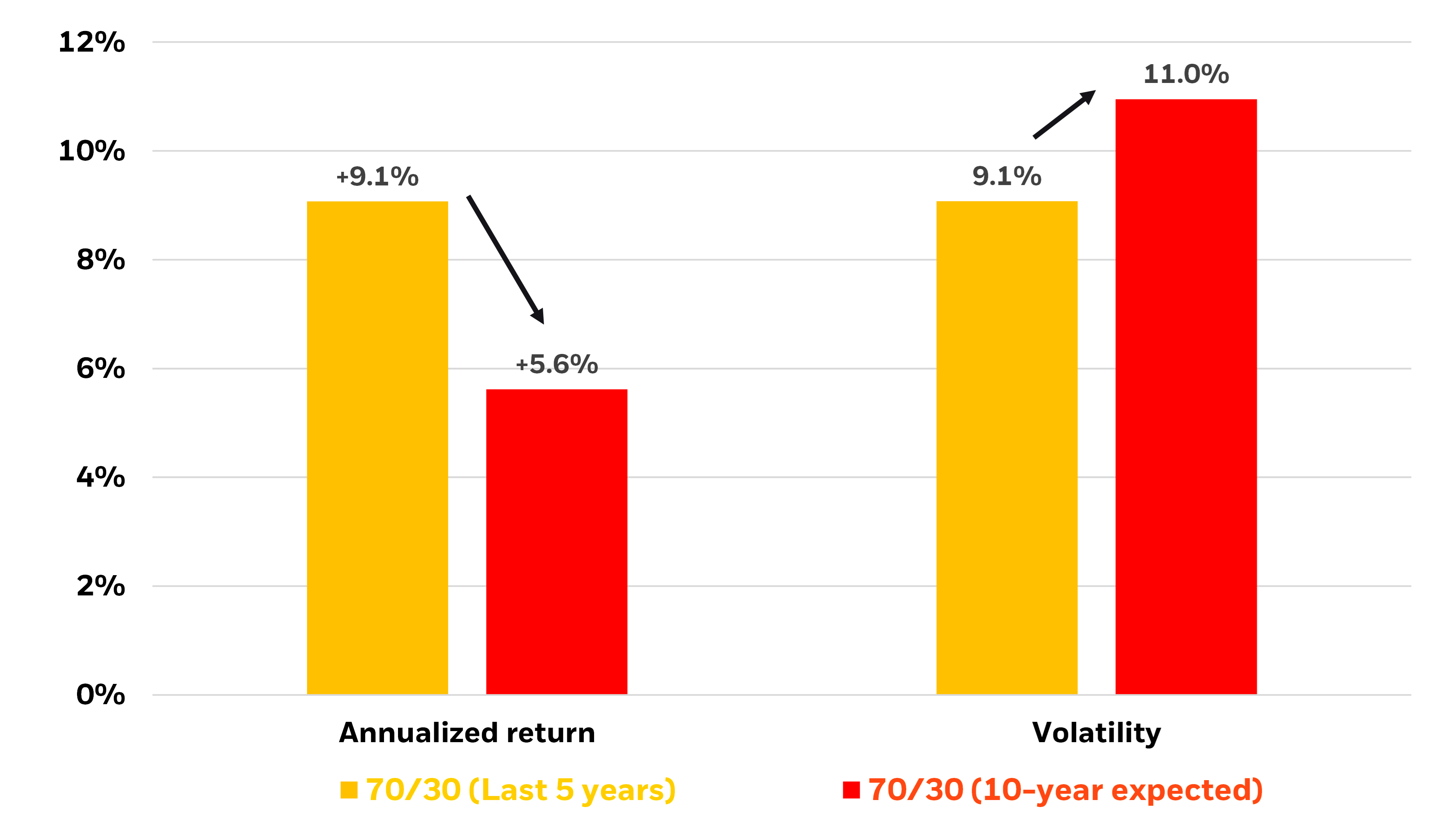
- Market volatility and higher interest rates have made traditional 60/40 portfolios (stocks + bonds) less reliable. This has prompted advisors and investors to look for diversifiers beyond plain vanilla. BlackRock+1
- The term “liquid alternatives” is evolving — instead of exotic hedge funds only accessible to the very wealthy, the business now includes more mutual-fund or ETF wrappers, with daily liquidity and lower minimums. Investopedia+1
- Advisors are more comfortable adding these strategies into portfolios (see story 2 below). The infrastructure, risk disclosures and operational back-ends have matured. HedgeCo.Net+1
What the inflows tell us
Although the dollar return numbers weren’t broadly stellar — many liquid alt funds still posted slightly negative returns in euro terms (-1.87% on average) because of FX effects and cautious strategy positioning. HedgeCo.Net
Nevertheless, the fact that inflows occurred while performance was flat is a strong signal of changing sentiment.
Also noteworthy: within the liquid alt universe, the largest share of flows went into lower?volatility credit-oriented or absolute return bond-type alternatives, rather than high?beta long/short equity strategies. HedgeCo.Net
Implications & what to watch
- For investors: The revival suggests liquid alts may be moving from “niche” into more mainstream allocation frameworks — but that doesn’t mean they’re risk-free or guaranteed to perform.
- For fund managers: The inflows likely mean increased competition, product launches, marketing push. Managers will need to prove value, since the earlier generation of liquid alts often under-performed hedge funds or were mis-packaged.
- For markets: If more capital flows into diversifiers, we might see structural effects — less concentrated exposure to equities, for example, or more steady portfolio returns.
- Risks remain: Just because assets are growing doesn’t mean all strategies are good. Liquidity, fees, manager selection remain critical. Also, if the macro tailwinds fade (e.g., volatility subsides), interest may wane again.
In short: the liquid alternatives market may be entering a new phase of growth and acceptance — but on the heels of a prior lull, caution remains warranted.